
Our Renovation Process in Toronto & the GTA
A successful renovation starts with a clear process. At Renotec, we help homeowners understand the full journey before construction begins, from the first consultation to the final walkthrough.
Our goal is simple: clear communication, realistic planning, organized construction, and quality work you can trust.
Whether you are planning a bathroom renovation, kitchen renovation, basement renovation, home addition, garden suite, garage conversion, or full home renovation, our process helps you understand what happens next and what to expect at each stage.
Ready to Plan Your Renovation?
Book a free 30-minute online consultation and get a basic feasibility check for your renovation, addition, garden suite, or multiplex conversion before moving forward.
Fully Licensed
Professional renovation team
Insured
Added project protection
WSIB Covered
Worker safety coverage
Feasibility Check
Clear next steps
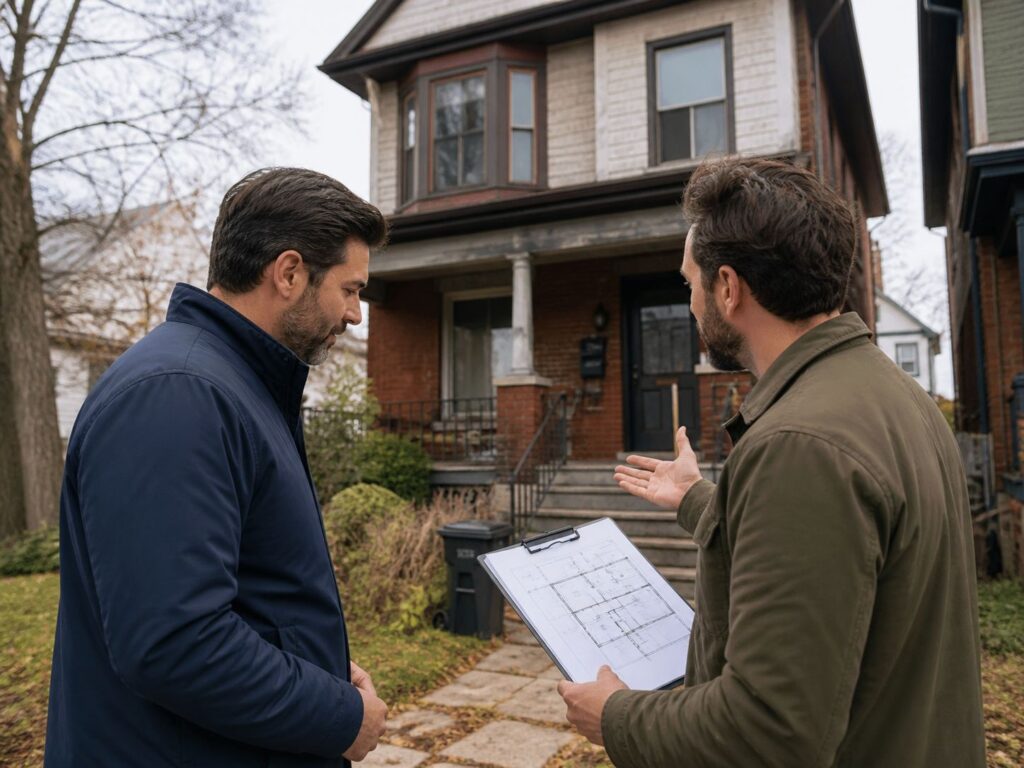
A Clear Plan Before Construction Starts
Renovation can feel stressful when the process is not clear. Many homeowners worry about cost, delays, permits, material choices, hidden issues, and whether the contractor will communicate properly.
That is why we start with planning.
Before construction begins, we review your goals, budget, timeline, existing space, design needs, and permit requirements. This helps us create a better scope of work and gives you more confidence before making decisions.
Our process is not about rushing into construction. It is about understanding the project properly first.
What You Can Expect With Renotec
When you work with Renotec, you can expect a process that is organized from the beginning.
We focus on:
- Clear scope before work starts
- Transparent pricing and realistic timelines
- Design and permit coordination when required
- Help with material and finish selections
- Clean and organized job sites
- Regular communication during construction
- Skilled trades and proper project coordination
- Final walkthrough before project completion
A renovation is not only about the finished look. The planning, preparation, and work behind the walls matter just as much.

Step 1: Initial Consultation
Every project starts with a conversation.
During the first consultation, we learn about your project, your goals, your budget range, and your ideal timeline. We may ask for photos, videos, rough measurements, or any drawings you already have.
This first step helps us understand what you want to do and whether the project needs a simple renovation plan or a more detailed design and permit process.
We may discuss:
- The type of renovation you are planning
- Your main concerns
- Your preferred timeline
- Your budget range
- Existing problems in the home
- Design ideas or inspiration photos
- Whether permits may be required
This gives us a better starting point before we move to the next step.
Step 2: Site Visit and Project Review
After the first consultation, we may schedule a site visit.
A site visit helps us review the existing space in person. We look at the layout, measurements, access, existing finishes, possible hidden issues, and any construction challenges that may affect the work.
For interior renovations, we may review plumbing, electrical, ventilation, flooring, walls, ceiling height, moisture issues, and layout changes.
For larger projects such as home additions, garden suites, garage conversions, or multiplex conversions, we may also review site access, setbacks, grading, structure, foundation, drainage, and permit-related items.
A proper site review helps reduce surprises later.d work behind the walls matter just as much.
Step 3: Scope of Work and Estimate
Once we understand the project, we prepare a clear scope of work.
The scope explains what is included in the project and what may affect the final price. This is important because every renovation is different. A bathroom renovation, for example, can change in cost depending on layout, waterproofing, tile selection, plumbing changes, vanity, fixtures, and hidden conditions.
We explain the main cost drivers so you can make better decisions before moving forward.
For homeowners who want to understand typical renovation costs, you can review our renovation pricing guide.
Step 4: Design and Material Selection
Design and material selection are important parts of the renovation process.
The right materials can improve the final look, but proper planning also helps avoid delays, mistakes, and last-minute changes.
Depending on the project, we may help coordinate:
- Tiles
- Flooring
- Cabinets
- Countertops
- Plumbing fixtures
- Lighting
- Paint colours
- Doors and trim
- Exterior finishes
- Bathroom vanities
- Kitchen layout details
- Shower systems and waterproofing details
We can work with your preferred suppliers, or we can guide you through available options using our supplier network.
Good design is not only about appearance. It should also support function, durability, and long-term value.
Step 5: Permits, Drawings and Planning
Some renovation projects are simple. Others require drawings, engineering, permits, and inspections.
Projects that may need permits or additional planning include:
- Home additions
- Second-storey additions
- Garden suites
- Laneway suites
- Garage conversions
- Basement apartments
- Structural wall removals
- Major layout changes
- Multiplex conversions
Before construction starts, we help review what may be required. This can include architectural drawings, structural engineering, permit documents, trade scheduling, material planning, and construction sequencing.
Planning this early helps reduce delays and avoids making decisions too late in the project.
Step 6: Construction and Project Management
Once the plan is ready, construction begins.
During construction, Renotec coordinates trades, materials, schedule, site access, protection, and quality control. We focus on keeping the job organized and making sure the work follows the agreed scope.
Depending on the project, construction may include:
- Demolition and site preparation
- Framing and structural work
- Plumbing rough-in
- Electrical rough-in
- HVAC coordination
- Insulation
- Waterproofing
- Drywall and plaster
- Tile installation
- Flooring
- Cabinets and millwork
- Painting
- Fixtures and finishing
- Final cleanup
We believe the best renovations are built properly from the inside out. What happens behind the walls matters.
Step 7: Progress Updates and Communication
Communication is one of the most important parts of our process.
During the renovation, we keep homeowners updated so they understand what has been completed, what is happening next, and when decisions are needed.
Depending on the project, updates may include phone calls, messages, photos, videos, or site meetings.
This helps avoid confusion and keeps the project moving in the right direction.
Step 8: Final Walkthrough and Handover
At the end of the project, we complete a final walkthrough with you.
This is when we review the finished work, check details, and identify any final touch-ups. Our goal is to make sure the project is properly completed before closeout.
For larger projects, the handover may also include warranty information, product details, maintenance notes, inspection records, or other project documents.
Built on Trust
Licensed & Insured
WSIB Covered
HomeStars Reviews
Google Reviews


Our Process by Project Type
Every renovation follows the same basic structure, but each project type has different details. Below is how our process applies to different renovation services.
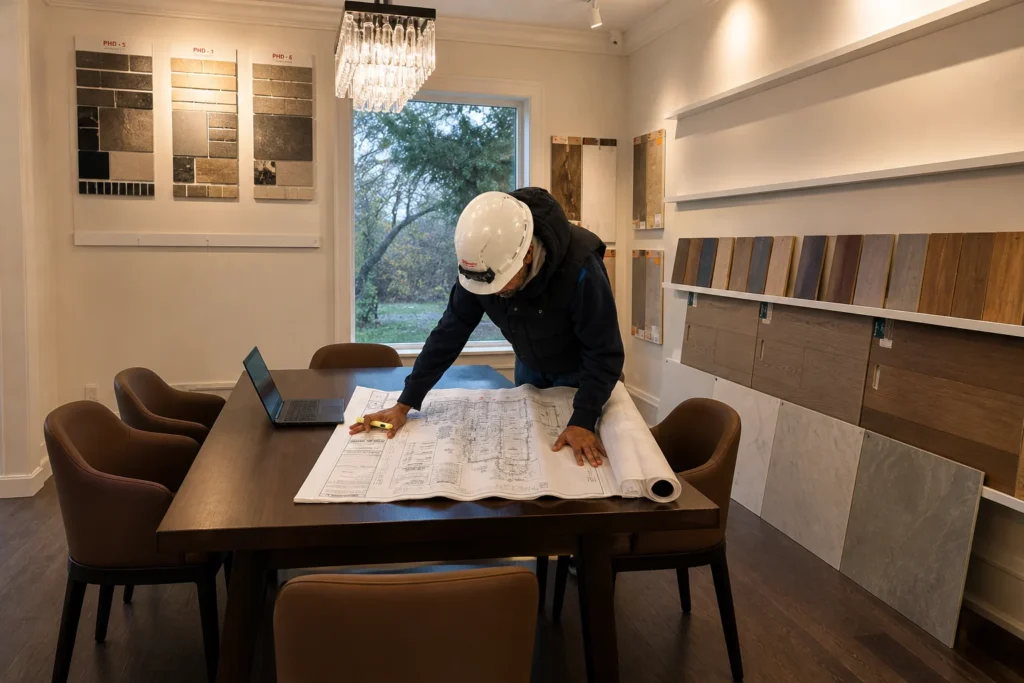
Bathroom Renovation Process
Bathroom renovations need careful planning because small mistakes can create long-term problems.
Before construction starts, we review the layout, plumbing, ventilation, waterproofing needs, tile selection, fixtures, vanity, lighting, and finishing details.
During construction, we pay close attention to waterproofing, slope, drainage, tile preparation, and moisture protection. A bathroom should not only look good. It should be built properly behind the tile.
Kitchen Renovation Process
A kitchen renovation should improve both function and appearance.
We review your current layout, storage needs, cooking habits, cabinetry, countertops, backsplash, flooring, lighting, appliances, and plumbing or electrical changes.
The goal is to create a kitchen that works better for daily life while matching the style of your home.
Basement Renovation Process
Basement renovations require proper planning because moisture, insulation, ceiling height, electrical capacity, plumbing, egress, and permits can all affect the project.
If the basement includes a bathroom, kitchenette, separate entrance, or rental unit, the planning stage becomes even more important.
We help homeowners understand what is possible before construction begins.
Home Addition Process
Home additions require more planning than standard interior renovations.
Before construction starts, we review the property, zoning, setbacks, structure, foundation needs, drawings, permits, and design goals.
A home addition may involve excavation, foundation work, framing, roofing, exterior finishes, mechanical systems, interior finishes, and inspections.
Because an addition affects the structure and exterior of the home, early planning is very important.
Garden Suite and Laneway Suite Process
Garden suites and laneway suites need a clear review before design and construction begin.
We look at lot size, access, setbacks, servicing, privacy, drainage, utilities, and permit requirements. These projects can add long-term value, but they need proper planning from the beginning.
A strong process helps you understand whether the property is suitable and what steps may be required.
Garage Conversion Process
Garage conversions can turn unused space into a more functional area, such as a living space, office, studio, or secondary suite where permitted.
The process may include zoning review, insulation, fire separation, windows, HVAC, electrical, plumbing, flooring, and interior finishes.
Before starting, it is important to confirm what is allowed and what building code or permit requirements may apply.
Multiplex Conversion Process
Multiplex conversions require detailed planning.
These projects may involve layout changes, fire separation, sound control, entrances, parking, servicing, zoning, permits, and inspections.
Before construction, we review the property, discuss the intended number of units, and help identify design and permit requirements.
A clear process is important because multiplex projects can become complicated without proper coordination.
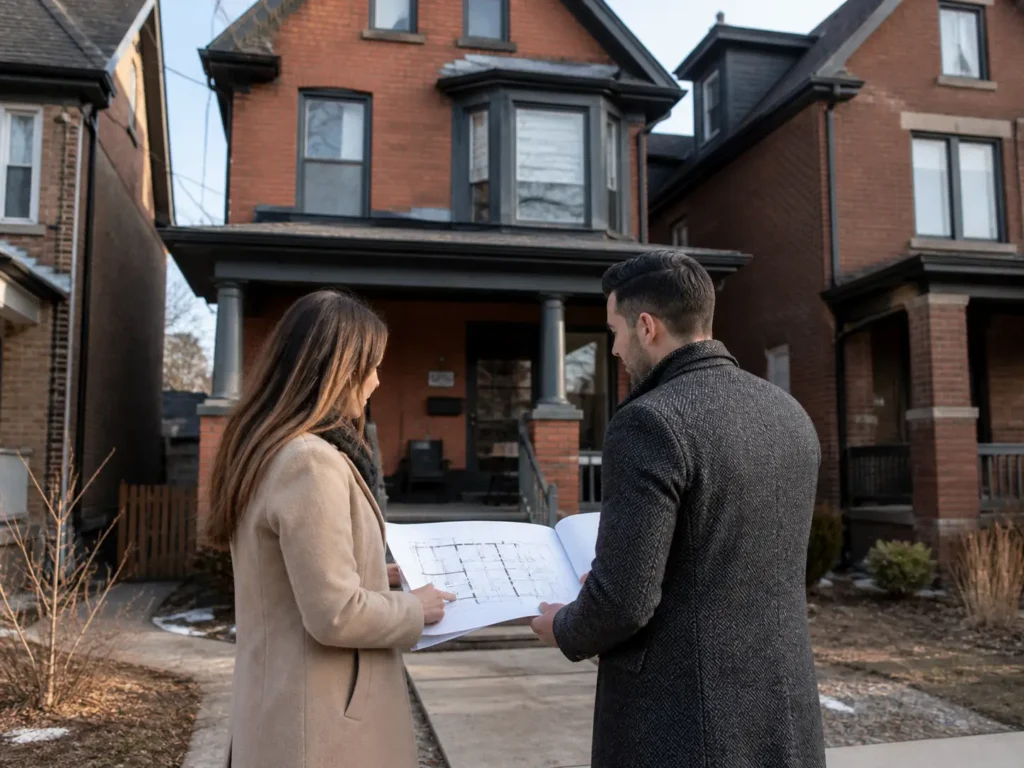
Why Our Process Matters
Many renovation problems happen because the project starts without enough planning.
A clear process helps homeowners understand the cost, timeline, design choices, permit needs, and construction steps before work begins.
At Renotec, we take time to plan because it helps protect the project, reduce confusion, and create a better renovation experience.
Our process is built to help you feel informed, not pressured.
Frequently Asked Questions About Our Renovation Process
You can start by contacting us and sharing basic details about your project. Photos, videos, rough measurements, budget range, and your ideal timeline can help us understand the project faster.
Yes. After reviewing the project details and site conditions, we provide a clear scope and estimate based on the work required. Larger projects may need drawings, engineering, or additional planning before final pricing.
No. Not every renovation needs a permit. However, projects involving structural changes, home additions, basement apartments, garden suites, garage conversions, or major layout changes may require permits.
Yes. We can help with layout planning, finish selections, supplier coordination, and material ordering. We can also work with your preferred designer or supplier.
The timeline depends on the project size, scope, permits, materials, and site conditions. A bathroom renovation may take a few weeks, while a home addition, garden suite, or multiplex conversion can take much longer because of design, permits, inspections, and construction stages.
Some changes are possible, but they may affect cost, timeline, material orders, or permits. We review changes with you before moving forward.
If we find unexpected issues during construction, we explain the situation, review possible solutions, and discuss any cost or schedule impact before proceeding.
Yes. Communication is part of our process. Depending on the project, we may provide updates through messages, phone calls, photos, videos, or site meetings.
During the final walkthrough, we review the completed work with you, note any final touch-ups, and make sure the project is properly completed before closeout.
Start With a Clear Plan
Ready to Plan Your Renovation?
Book a free 30-minute online consultation and get a basic feasibility check for your renovation, addition, garden suite, or multiplex conversion before moving forward.
Licensed, insured, and WSIB covered for your peace of mind.