
Thinking about building a garden suite in Scarborough? A backyard suite can be a smart way to create extra living space, support family, or add rental potential. However, before construction starts, you need to understand zoning, permits, access, utilities, construction costs, and the approval process.
A garden suite is not just a small building in the backyard. It is a separate dwelling unit that must be properly designed, permitted, serviced, and inspected. In Toronto, garden suites require a building permit and must comply with zoning, the Ontario Building Code, and tree regulations.
At Renotec, we help homeowners and investors plan garden suites and laneway suites across Toronto, Scarborough, Richmond Hill, York Region, and the GTA. Our goal is to help you understand the process before you spend money on design, permits, or construction.
Ready to Check Your Garden Suite Feasibility?
Contact Renotec to review your property, budget, permit steps, and construction options before you move forward.
What Is a Garden Suite?
A garden suite is a detached residential unit located in the backyard of an existing home. It is separate from the main house and can include:
- Bedroom or sleeping area
- Bathroom
- Kitchen
- Living area
- Heating and cooling
- Separate entrance
- Utility connections
Unlike a legal basement apartment, a garden suite is not inside the main house. It is a separate backyard dwelling. This gives homeowners more privacy and flexibility, but it also requires careful planning for access, servicing, fire safety, drainage, and construction.
For larger investment properties, some homeowners may also look at combining a garden suite with a multiplex conversion, depending on zoning, lot conditions, servicing, and permit requirements.
Can You Build a Garden Suite in Scarborough?
Many Scarborough properties may be suitable for a garden suite, but not every lot will automatically qualify. Before moving forward, the property should be reviewed for:
| Item | Why It Matters |
|---|---|
| Lot size and backyard space | The garden suite must fit within zoning and site limits. |
| Access from the street | Emergency access must be reviewed. |
| Setbacks and separation | The distance from property lines and the main house matters. |
| Existing trees | Trees may affect design, permits, and construction. |
| Utility connections | Water, sewer, electrical, gas, and drainage must be planned. |
| Parking and site layout | The design must work with the existing property. |
| Building Code requirements | The suite must be safe and legal. |
Toronto’s garden suite rules also require proper access for emergency services. The City’s summary explains that firefighting access includes travel distance, minimum width, and clearance requirements that are reviewed through the permit process.
This is why the first step should be a feasibility review, not construction. A proper review can help you understand if your property is a good candidate before you commit to full design and permit costs.
Why Scarborough Can Be a Good Area for Garden Suites
Scarborough has many older detached and semi-detached homes with larger lots compared to some central Toronto neighbourhoods. For the right property, this can create a good opportunity for a backyard suite.
Homeowners in Scarborough consider garden suites for several reasons:
Extra rental income potential
More space for family members
A private unit for guests or aging parents
Long-term property value
Better use of backyard space
More housing flexibility without moving
However, a garden suite should be planned carefully. The project must make sense financially, legally, and practically.
Garden Suite Costs in Scarborough
The cost of a garden suite in Scarborough depends on size, design, foundation, servicing, finishes, access, site conditions, and permit requirements.
Here is a simple cost guide:
| Type of Garden Suite | Estimated Cost Range | Timeline | Best For |
|---|---|---|---|
| Prefab Garden Suite | From around $270,000+ | Around 3–4 months after approvals | Faster construction and simpler layouts |
| Custom Garden Suite | From around $350,000+ | Around 4–6+ months after approvals | Custom layouts and higher-end finishes |
| Modular Garden Suite | Varies by design and delivery | Depends on site and crane access | Some projects where off-site construction works |
These numbers are general estimates. Final pricing depends on the property, design, material selection, servicing, access, permits, and construction scope.
For a more complete overview, visit our main Garden Suite and Laneway Suite service page.
Typical Garden Suite Cost Breakdown
| Cost Item | Estimated Range |
|---|---|
| Design, drawings, and planning | $8,000–$25,000+ |
| Permits and approvals | $3,000–$10,000+ |
| Site preparation and excavation | $15,000–$40,000+ |
| Foundation | $25,000–$60,000+ |
| Structure and framing | $80,000–$150,000+ |
| Plumbing, electrical, HVAC | $35,000–$80,000+ |
| Interior finishes | $50,000–$100,000+ |
| Utility connections | $10,000–$30,000+ |
| Landscaping and exterior work | $10,000–$40,000+ |
| Project management and coordination | Varies by scope |
The biggest cost surprises usually come from servicing, access, foundation work, drainage, and design changes. That is why proper planning at the beginning is very important.
Permits and Approvals for a Garden Suite
A legal garden suite in Scarborough requires proper permit approval before construction. The City of Toronto states that a building permit is required for a garden suite, and applications must include drawings, forms, and required documents in PDF format.
Common approval items may include:
- Zoning review
- Building permit application
- Architectural drawings
- Structural drawings
- Site plan
- Grading and drainage information
- Tree review if required
- Committee of Adjustment if zoning relief is needed
- Inspections during construction
Some properties are straightforward. Others may need more review because of lot size, setbacks, trees, access, or servicing.
At Renotec, we help homeowners understand the project steps and coordinate with the right professionals so the process is more organized from the beginning.
Utilities and Servicing
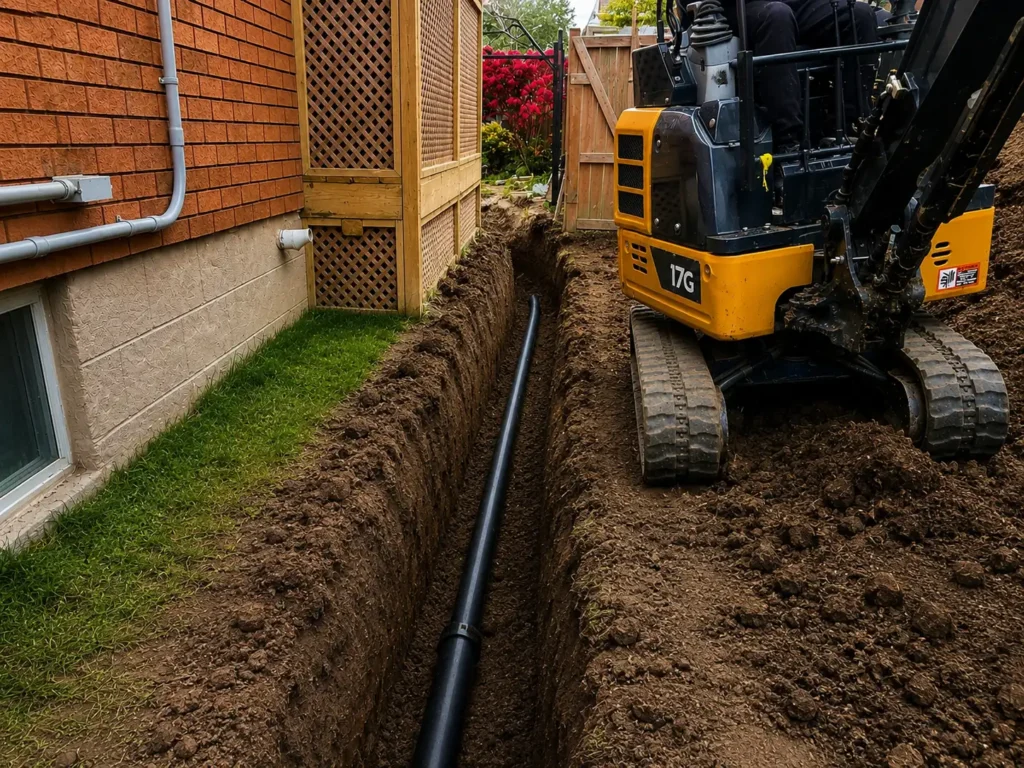
A garden suite needs proper utility planning. This is one of the most important parts of the project because the suite must function as a real dwelling unit.
| Utility / Site Item | What to Review |
|---|---|
| Water | How the suite will connect to the existing water service |
| Sewer | Drainage path, slope, depth, and connection method |
| Electrical | Panel capacity, separate meter options, and load requirements |
| Gas | Optional, depending on heating and cooking design |
| HVAC | Heating, cooling, ventilation, and energy efficiency |
| Internet / Cable | Optional but usually expected by tenants or family |
| Drainage | Grading, stormwater, and foundation protection |
| Access path | Safe access from the front street to the backyard unit |
Utility work can affect the budget a lot. Before construction starts, it is important to understand where services will run and whether upgrades are needed.
Garden Suite Timeline in Scarborough
The timeline depends on design, permits, City review, site conditions, and construction complexity.
| Stage | Typical Timeline |
|---|---|
| Initial consultation and feasibility review | 1–2 weeks |
| Design and drawings | 4–8+ weeks |
| Permit submission and review | Varies by project |
| Site preparation and foundation | 2–5 weeks |
| Framing and exterior shell | 3–6 weeks |
| Rough-ins and inspections | 3–6 weeks |
| Insulation, drywall, and finishes | 4–8 weeks |
| Final inspections and completion | 1–3 weeks |
A simple prefab project may move faster after approvals. A custom garden suite with more complex site conditions can take longer.
Step-by-Step Garden Suite Process
1. Property Review
The first step is to review the lot, backyard space, access, zoning, trees, utilities, and construction feasibility.
2. Budget Planning
Before design starts, you should understand the likely budget range. This helps avoid wasting time on a design that does not match your financial plan.
3. Design and Drawings
A proper design package is required for permits. This may include architectural drawings, structural design, site plan, and other supporting documents.
4. Permit Submission
The application is submitted for review. If changes are requested, the drawings may need to be revised.
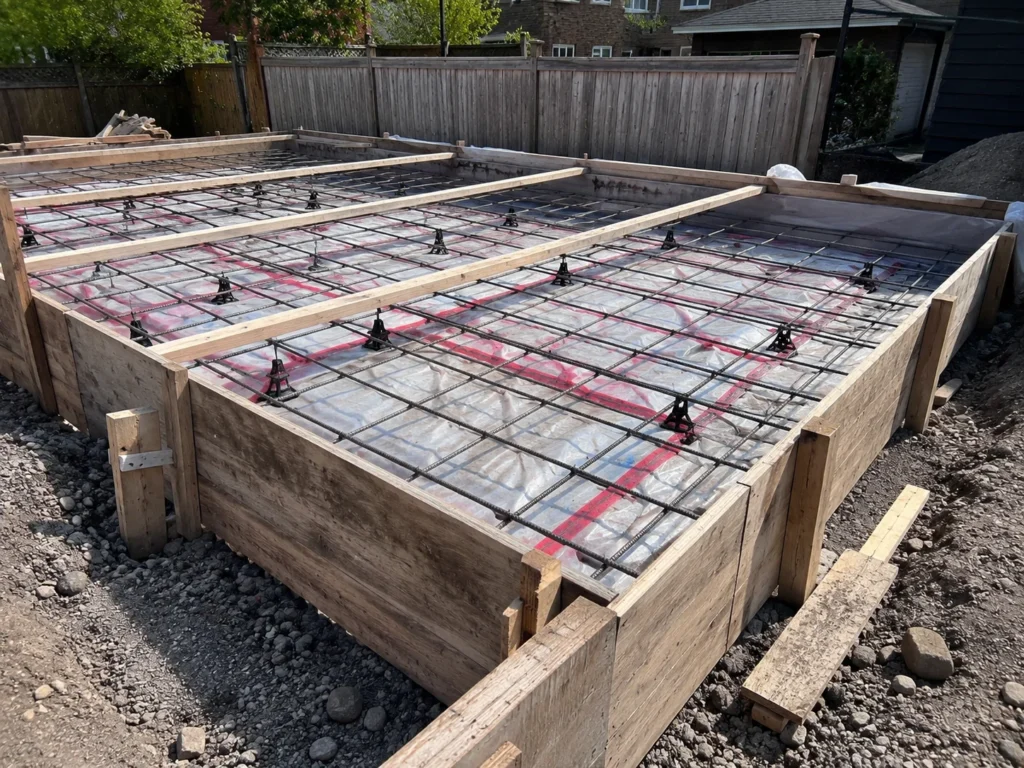
5. Site Preparation
This may include demolition, excavation, grading, foundation preparation, and utility planning.
6. Construction
Construction includes foundation, framing, roofing, rough-ins, insulation, drywall, flooring, kitchen, bathroom, fixtures, and exterior work.
7. Inspections and Final Completion
Inspections are completed throughout the project. The final stage includes finishing details, cleanup, and turnover.
Common Garden Suite Mistakes to Avoid
| Mistake | Why It Can Become a Problem |
|---|---|
| Starting without a feasibility review | The property may not support the design you want. |
| Underestimating utility costs | Servicing can be one of the biggest hidden costs. |
| Ignoring access requirements | Backyard access can affect permit approval and construction. |
| Choosing the cheapest contractor | Poor coordination can create delays and extra costs. |
| Not planning drainage properly | Bad grading can cause water problems. |
| Making design changes too late | Late changes can increase cost and delay the project. |
| Not documenting changes | Change orders should be clear and agreed on. |
A garden suite is a small building, but it is still a full construction project. It needs planning, coordination, and proper management.
Project Management Matters
Many garden suite problems happen because the project is not managed properly. A successful project needs clear scheduling, trade coordination, budget tracking, inspections, material planning, and communication.
Renotec provides construction project management support for homeowners and investors who want better control over the renovation or construction process.
- Good project management helps with:
- Fewer surprises during construction
- Better planning before work starts
- Clearer budgeting
- Trade coordination
- Site supervision
- Quality checks
- Better communication
Garden Suite vs Garage Conversion
Some homeowners compare a garden suite with a garage conversion. Both can add useful living space, but they are not the same.
| Option | Best For | Main Difference |
|---|---|---|
| Garden Suite | A separate backyard dwelling | New detached unit with its own design and servicing |
| Garage Conversion | Turning an existing garage into living space | Uses an existing structure, but still needs legal planning |
If you already have a detached garage, a garage conversion may be worth reviewing. However, not every garage is suitable for conversion.
Example Scenario
A Scarborough homeowner wants to build a small backyard unit for rental income or family use. The project starts with a property review, followed by design, permits, servicing review, and construction planning.
The budget may start around the high $200,000s for a simpler prefab-style project and can increase for custom design, higher-end finishes, site challenges, or major servicing work.
Rental income can vary by location, unit size, market conditions, and finish level. Before making a decision, homeowners should review the full cost, expected rent, financing, and long-term return.
This type of project can make sense, but only when it is planned properly.
Why Work With Renotec?
Renotec helps homeowners and investors plan and manage renovation and construction projects with a clear process from start to finish.
We can help with:
- Early project planning
- Budget review
- Design and permit coordination
- Construction planning
- Trade coordination
- Site supervision
- Quality control
- Communication during the project
Our focus is not only the final look. We also care about the work behind the walls, the planning before construction, and the details that help the project move properly.
FAQ: Garden Suites in Scarborough
A garden suite in Scarborough can start around $270,000 for a simpler prefab-style project and may go above $350,000 for custom designs, larger layouts, higher-end finishes, or difficult site conditions.
Yes. A garden suite in Toronto requires a building permit and must comply with applicable zoning, the Ontario Building Code, and other requirements.
In many cases, garden suites are used as rental units, but the suite must be legal, permitted, and properly designed as a dwelling unit. You should also review local rules, tax impact, insurance, and rental expectations.
After approvals, construction may take around 3–6+ months depending on the design, site conditions, servicing, inspections, and project complexity. The full process, including design and permits, can take longer.
It depends on your property and goals. A garden suite offers a separate detached unit, while a basement apartment uses existing space inside the home. Garden suites usually cost more but may offer more privacy and flexibility.
No. Many properties may qualify, but each property must be reviewed for zoning, setbacks, access, trees, servicing, and Building Code requirements.
Planning a Garden Suite in Scarborough?
Before you start design or construction, it helps to understand your budget, permits, timeline, servicing, and next steps. Renotec can help you review the project and plan it properly from the beginning.
A garden suite can be a smart investment, but it should be planned properly before construction starts. The right design, permit strategy, budget, and project coordination can save time, reduce stress, and help avoid costly mistakes.
Renotec helps homeowners and investors in Scarborough, Toronto, Richmond Hill, York Region, and the GTA plan renovation and construction projects with clear communication and organized project steps.