
A musty basement smell is not normal. In many Toronto and GTA homes, that damp smell is often a warning sign of hidden moisture, poor ventilation, foundation cracks, plumbing leaks, or mold behind the walls.
Many basements look clean from the outside. However, moisture can still be trapped behind drywall, under flooring, around insulation, or near the foundation wall. That is why the smell often comes back after cleaning, painting, or using air fresheners.
Before starting a basement renovation in Toronto and the GTA , the most important step is making sure the space is dry, healthy, and properly built behind the walls.
Quick Answer: Why Does My Basement Smell Musty?
A basement usually smells musty because of moisture. The moisture may come from foundation cracks, poor drainage, high humidity, plumbing leaks, poor ventilation, wet insulation, or mold behind finished walls.
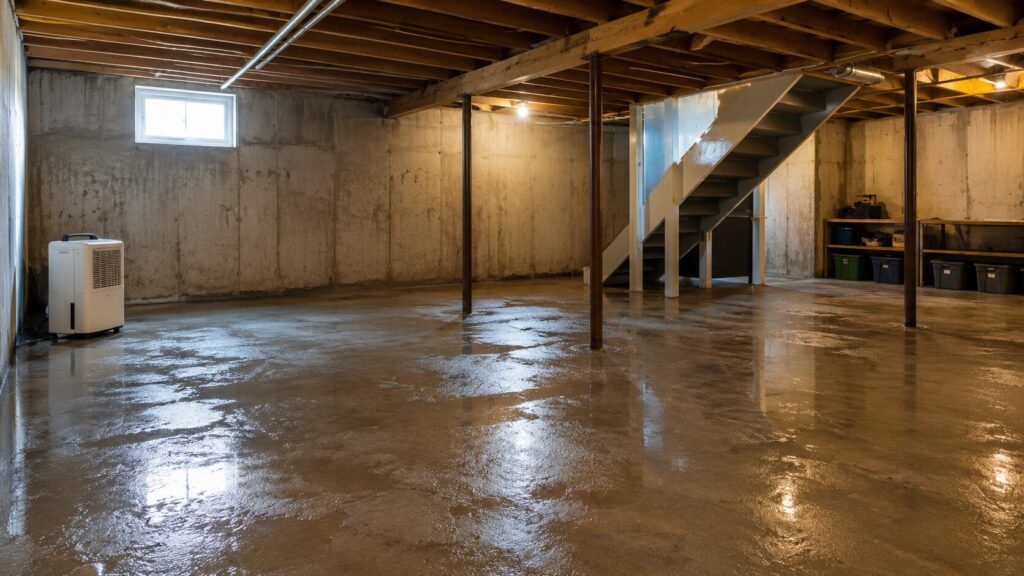
If your basement smells worse after rain, the issue may be connected to exterior drainage, window wells, foundation cracks, or damaged waterproofing.
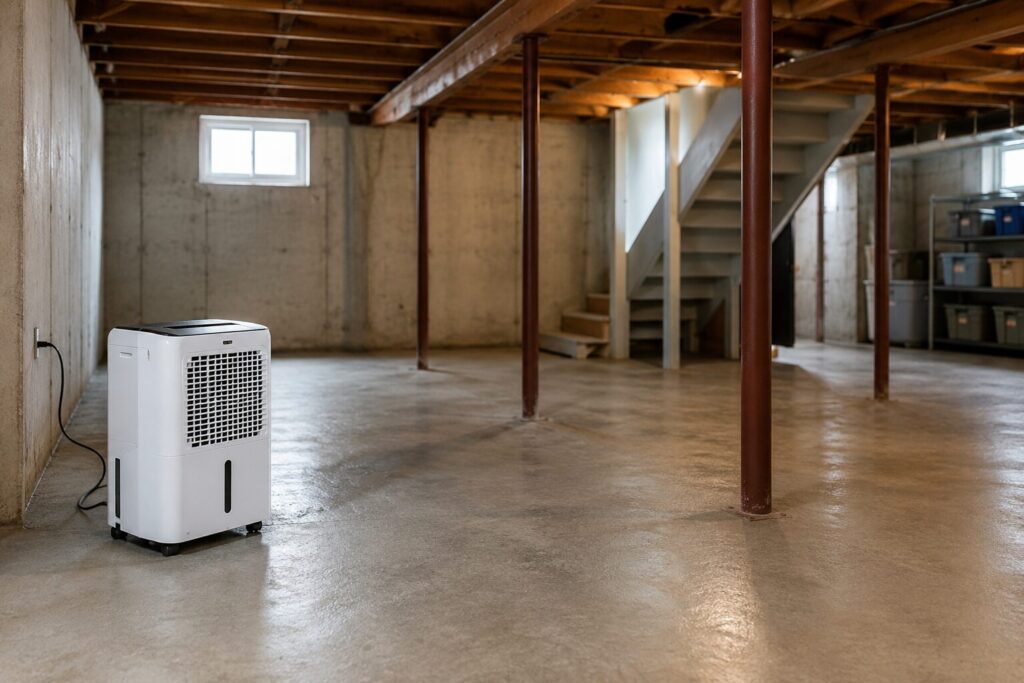
A dehumidifier can help with humidity, but it will not fix leaks, mold behind walls, or foundation problems.
What You Will Learn in This Blog
- Why basements smell musty
- How to know if it is mold or humidity
- Why the smell gets worse after rain
- Warning signs you should not ignore
- How much it costs to fix basement moisture or mold
- How to prevent the problem before renovation
- What happens if you ignore it
- What tenants and homeowners should know about rental basements
- When to call a professional
Why Does My Basement Smell Musty?
A musty basement smell usually comes from moisture. When moisture stays inside a basement for too long, it can create the right condition for mold and mildew.
Common causes include:
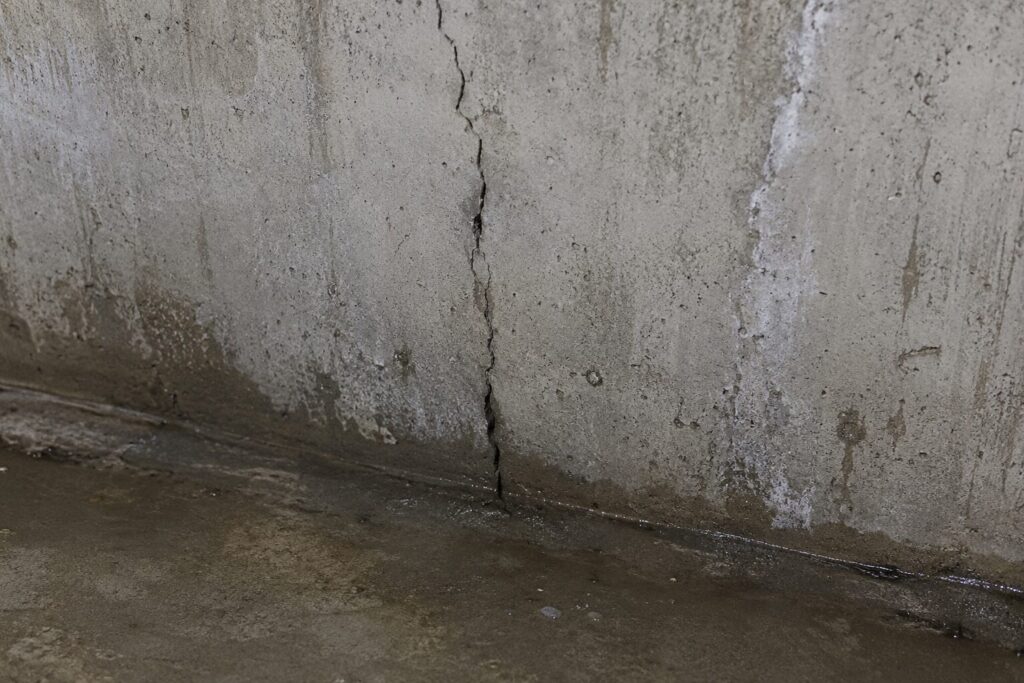
- Foundation cracks allowing water or moisture inside
- Poor drainage around the house
- Old or damaged waterproofing
- High indoor humidity
- Poor ventilation
- Plumbing leaks behind walls
- Wet insulation or drywall
- Carpet installed over a damp concrete slab
- Water entering through window wells
- Poor air circulation
The smell is usually not the main problem. The smell is the warning sign. The real issue is often hidden moisture.
Not sure where the smell is coming from? Renotec can help you review your basement before you spend money on new flooring, drywall, or finishes.
Book a Free Basement ConsultationIs It Mold or Just Basement Humidity?
Not every bad basement smell means visible mold. However, it usually means there is too much moisture.
It may be a humidity problem if:
- The smell gets worse in summer
- The basement feels damp
- Windows have condensation
- The smell improves with a dehumidifier
- There is poor airflow in the basement
It may be mold or hidden water damage if:
- The smell is strong and does not go away
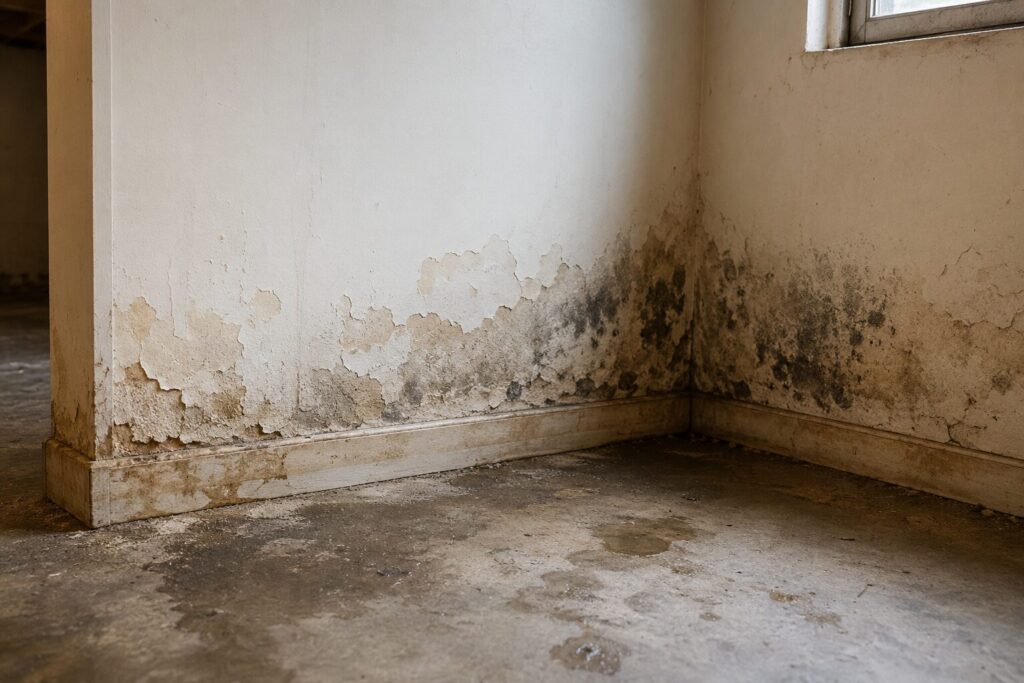
- You see black, green, or white spots
- Drywall feels soft
- Paint is bubbling or peeling
- Baseboards are swollen
- Carpet smells damp
- The smell gets worse after rain
- There are water stains on walls or floors
If the smell keeps coming back, the basement should be inspected before installing new flooring, drywall, paint, or insulation.
Why Does My Basement Smell Bad After Rain?
If your basement smells worse after rain, water may be getting close to the foundation or entering through small cracks.
This can happen because of:
- Poor grading around the house
- Downspouts draining too close to the foundation
- Clogged gutters
- Cracked foundation walls
- Leaking window wells
- Failed exterior waterproofing
- Poor drainage around the property
This is common in older homes in Toronto, Richmond Hill, Vaughan, Markham, North York, Scarborough, Etobicoke, and across the GTA. Many older basements were not originally built as finished living spaces. That is why moisture control is very important before renovation.
Warning Signs You Should Not Ignore
A basement moisture problem usually starts small. However, if it is ignored, it can become more expensive over time.
Watch for these warning signs:
- Musty smell
- Water stains
- Damp carpet
- Soft drywall
- Peeling paint
- Bubbling walls
- White powder on concrete
- Mold around baseboards
- Condensation on windows
- Rust on metal items
- Cracks in foundation walls
- Smell after heavy rain
- Tenant complaints about smell or air quality
A basement can look finished and still have moisture behind the walls.
How Much Does It Cost to Fix Basement Moisture or Mold in Toronto?
The cost depends on the real cause of the problem. A small humidity issue may be simple to fix. However, foundation leaks, waterproofing, and mold remediation can cost much more.
If you are planning a renovation, it is also important to understand the full basement renovation cost before choosing finishes or materials.
General Cost Ranges in Toronto and the GTA
Basement Moisture and Mold Repair Cost in Toronto and the GTA
The cost to fix basement moisture, mold, or a musty smell depends on the real cause of the problem. Small humidity issues may be simple to fix, while foundation leaks, waterproofing, or mold remediation can cost much more.
| Problem | Typical Cost Range |
|---|---|
| Dehumidifier / humidity control | $300 – $800+ |
| Basic ventilation improvement | $500 – $2,500+ |
| Foundation crack injection | $350 – $1,200+ per crack |
| Larger foundation crack repair | $1,500 – $3,000+ |
| Interior waterproofing | $70 – $180+ per linear foot |
| Exterior waterproofing | $100 – $300+ per linear foot |
| Sump pump installation | $565 – $3,500+ |
| Mold inspection | $200 – $700+ |
| Basement mold remediation | $500 – $6,000+ |
| Major basement repair after water or mold damage | $10,000+ |
These are general market ranges, not fixed prices. Current GTA waterproofing guides list interior waterproofing around $70–$180+ per linear foot, exterior waterproofing around $100–$300+ per linear foot, and foundation crack injection around $350–$1,200 per crack, depending on access, excavation, and repair method.
Mold repair costs also vary also Toronto and Canadian mold remediation guides show smaller mold removal jobs may start around $500, while larger basement mold remediation can reach $6,000, $10,000, or more depending on severity and how much material must be removed.
The final price depends on:
- Size of the basement
- Source of the moisture
- Basement is finished or unfinished
- Amount of mold or damaged material
- Excavation
- Waterproofing is done inside or outside
- Flooring, drywall, or insulation must be removed

Need Help With Your Basement Renovation?
Before spending money on waterproofing, flooring, drywall, or mold repairs, it is important to understand the real cause. Renotec can help you review your basement, identify moisture risks, and plan the renovation the right way.
Book a Free Basement ConsultationHow to Prevent Basement Moisture, Mold, and Bad Smell
The best way to prevent basement smell is to control moisture before it becomes a bigger issue.
A proper project should follow a clear renovation process so moisture, layout, materials, and construction steps are reviewed before the work starts.
1. Fix water problems before finishing the basement
Before installing drywall, flooring, insulation, or paint, the basement should be checked for leaks, foundation cracks, moisture, and drainage problems.
If water problems are not fixed first, the smell can come back after the renovation.
2. Improve drainage around the house
Water should move away from the foundation, not toward it.
Homeowners should check:
- Gutters
- Downspouts
- Grading around the house
- Window wells
- Exterior drainage
- Soil slope near the foundation
Poor exterior drainage is one of the most common reasons basements become damp.
For general information about mold and indoor air quality, homeowners can also review guidance from Health Canada.
3. Seal foundation cracks
Small cracks can allow moisture or water to enter the basement. Some cracks only leak during heavy rain, while others slowly bring in moisture over time.
If a crack is active or leaking, it should be repaired before finishing the basement.
4. Control humidity
Basements are usually cooler than the rest of the house. When warm air meets cold surfaces, condensation can happen.
A dehumidifier, proper HVAC return, ventilation upgrade, or exhaust fan can help reduce humidity and prevent musty smell.
5. Avoid carpet in damp basements
Carpet can trap moisture and smell. If the concrete slab is damp, carpet can make the problem worse.
Better basement flooring options may include:
- Vinyl flooring
- Tile
- Engineered flooring with proper underlayment
- Raised subfloor system
- Moisture-resistant flooring materials
6. Use the right basement wall system
Basement walls need proper moisture protection. Regular drywall and insulation should not be installed in a way that traps moisture against the foundation wall.
A proper basement renovation should consider moisture control, insulation type, vapour control, waterproofing condition, ventilation, and flooring system.
What Not to Do If Your Basement Smells Bad
Many homeowners try to fix the smell without fixing the source. This usually does not work.
Avoid these mistakes:
- Do not just paint over mold or water stains
- Do not install new flooring over a damp slab
- Do not cover damaged walls with new drywall
- Do not rely only on air freshener
- Do not ignore a smell that gets worse after rain
- Do not rent the basement before checking moisture issues
- Do not assume a finished basement is dry behind the walls
A cosmetic repair may make the basement look better for a short time, but the smell can return if the moisture problem is still there.
What Happens If You Do Not Fix Basement Moisture?
Ignoring basement moisture can become expensive. The smell is usually the first warning sign, but the damage can continue behind the walls.
If the problem is not fixed, it can lead to:
- Mold growth behind drywall
- Damaged insulation
- Rotten baseboards or framing
- Peeling paint
- Bubbling walls
- Damaged flooring
- Stronger musty smell over time
- Poor indoor air quality
- Tenant complaints
- Higher repair costs later
- Lower comfort and lower property value
The biggest mistake is renovating over the problem.
If a basement smells bad before renovation, new flooring, paint, and drywall will not fix the issue. They may cover it for a short time, but moisture can return and damage the new work.
A beautiful basement renovation will not last if the space is still wet behind the walls.
Renting a Basement With Mold: What Tenants Should Know
If you rent a basement and notice a strong musty smell, mold, water stains, wet flooring, or peeling paint, document the issue and notify the landlord in writing.
In Ontario, landlords must keep rental properties in a good state of repair and make sure the property meets health, safety, housing, and maintenance standards. Ontario’s maintenance standards also require repairs to be done with accepted workmanship in the trades. This is general information, not legal advice.
Tenants should take photos and videos of:
- Mold spots
- Water stains
- Wet flooring
- Peeling paint
- Damaged drywall
- Condensation on windows
- Leaks after rain
- Areas with strong musty smell
Then notify the landlord by email or text so there is a written record.
Example message:
Hi, I noticed a strong musty smell in the basement, and I am concerned there may be moisture or mold behind the walls or flooring. Could you please inspect the issue and arrange proper repair if needed? I have attached photos for reference.
Renting Out a Basement With Mold: What Homeowners Should Know
If you are a homeowner renting out a basement, moisture and mold should never be ignored. A basement rental should be dry, safe, properly ventilated, and suitable for living.
If you are upgrading a basement for tenants or future rental use, it should be planned as part of your overall home renovation services and not treated as only a cosmetic update.
For a homeowner, the biggest mistake is trying to cover the problem with paint, flooring, drywall, or air freshener. That may hide the smell for a short time, but it does not fix the moisture source.
Before renting a basement, homeowners should check:
- Foundation cracks
- Window wells
- Exterior grading
- Gutters and downspouts
- Plumbing lines
- Bathroom exhaust fan
- Laundry area
- HVAC and ventilation
- Basement walls behind finished areas
- Flooring installed over concrete
A rental basement should not just look finished. It should be dry, healthy, and properly built behind the walls.
For general rental maintenance information in Ontario, homeowners and tenants can also review the Ontario Landlord and Tenant Board and local property standards information.
Basement Moisture Checklist Before Renovation
Basement Moisture Checklist Before Renovation
Before finishing or renovating a basement, use this checklist to identify possible moisture, mold, drainage, and ventilation problems.
This step is important because basement renovations are expensive. It is better to fix the source first than to repair the same basement twice.
When Should You Call a Professional?
You should call a professional if:
- The basement smells musty all the time
- The smell gets worse after rain
- You see mold or dark spots
- There are water stains on walls or floors
- Flooring feels damp
- Paint is bubbling or peeling
- Drywall feels soft
- You see foundation cracks
- The basement was finished without proper waterproofing
- A tenant is complaining about smell or moisture
A professional can check whether the issue is caused by humidity, leaks, foundation cracks, waterproofing failure, poor drainage, or hidden mold.
Planning to Finish or Renovate Your Basement?
Before you spend money on new flooring, drywall, pot lights, or paint, make sure your basement is dry and healthy behind the walls.
A musty smell, water stain, damp carpet, or mold spot can be a sign of a bigger moisture problem also make sure if it is not fixed first, the same issue can come back after renovation and damage the new work.
At Renotec, we help homeowners in Toronto, Richmond Hill, Vaughan, Markham, North York, Scarborough, Etobicoke, and across the GTA plan basement renovations properly from the beginning.
We look at the condition of the space, moisture risks, layout, ventilation, insulation, flooring options, and the right renovation approach for your home.
FAQ: Basement Smell, Moisture, Mold, and Rental Basement Problems
A musty basement smell usually comes from moisture, poor ventilation, mold, damp insulation, plumbing leaks, or water entering through foundation cracks.
If the smell gets worse after rain, water may be entering near the foundation, through cracks, window wells, poor grading, clogged gutters, or damaged waterproofing.
Yes. Mold can grow behind drywall, under flooring, around insulation, and near foundation walls if moisture is trapped
A dehumidifier can help with humidity, but it does not fix foundation leaks, drainage problems, plumbing leaks, or mold behind walls.
Interior basement waterproofing in Toronto is commonly listed around $70–$180+ per linear foot however exterior waterproofing is often listed around $100–$300+ per linear foot, depending on access, excavation, and repair method.
Basement mold removal in Toronto can range from smaller jobs around $500 to larger remediation projects of $6,000, $10,000, or more depending on the size of the basement, severity, and amount of material that must be removed.
Carpet can trap moisture and smell. In many basements, vinyl, tile, engineered flooring with proper underlayment, or a raised subfloor system may be a better option.
In general, Ontario landlords are responsible for keeping the rental property in a good state of repair and meeting health, safety, housing, and maintenance standards. Tenants should document the issue and notify the landlord in writing.
The best prevention is to control moisture. Fix leaks, improve drainage, seal foundation cracks, reduce humidity, improve ventilation, and use basement-friendly materials.