
What is a garden suite in Toronto? For many homeowners, it is a detached living space built in the backyard of an existing property. It can create extra space for family, rental income, a home office, aging parents, adult children, or future downsizing.
A garden suite usually includes the main features of a small home, such as a kitchen, bathroom, sleeping area, living space, heating, cooling, plumbing, electrical service, and a private entrance. It is separate from the main house, but it remains part of the same property and cannot be sold separately.
The important point is that a garden suite is not just a small backyard building. It is a regulated residential unit that needs proper planning, zoning review, permits, servicing, emergency access, tree protection, privacy planning, and construction coordination.
This guide explains what a garden suite is, how it differs from a laneway suite, why Toronto homeowners build them, what rules and cost factors to understand, and why a feasibility review should usually come before full drawings or construction.
If you already understand the basics and want to explore planning, permits, and construction support, you can visit our Garden Suite and Laneway House Services page.
Table of Contents
- What Is a Garden Suite?
- Garden Suite vs Laneway Suite
- Why Toronto Homeowners Build Garden Suites
- Basic Toronto Garden Suite Rules
- What Can Affect Garden Suite Cost?
- Common Problems Before Construction
- Why Feasibility Comes First
- Garden Suite Planning Process
- Helpful Official Resources
- Related Renotec Resources
- Garden Suite FAQ
What Is a Garden Suite?
A garden suite is a detached residential unit built in the backyard of an existing home. It is smaller than the main house, but it is designed to function as a complete living space.
In Toronto, a garden suite can be used for different purposes. Some homeowners use it as a rental unit. Others use it for aging parents, adult children, guests, a caregiver, a home office, or a future downsizing option.
A garden suite is different from a shed, studio, or simple backyard office because it is designed as a dwelling unit. That means it may require proper plumbing, electrical, heating, cooling, fire safety, building permits, and inspections.
For homeowners, the main benefit is flexibility. A well-planned garden suite can make the property more useful without buying another home or moving to a larger property.
Garden Suite vs Laneway Suite: What Is the Difference?
Garden suites and laneway suites are both detached secondary units, but they are not the same. A laneway suite is usually built on a property with access to a public laneway. A garden suite is usually built in the backyard and does not require a public laneway.
This matters because many Toronto homes do not have laneway access. For those properties, a garden suite may create an opportunity to add a detached living unit where a laneway suite may not be possible.
| Feature | Garden Suite | Laneway Suite |
|---|---|---|
| Location | Backyard of the main property | Rear yard with laneway access |
| Laneway Required? | No | Usually yes |
| Common Use | Rental unit, family space, office, caregiver suite | Rental unit or detached secondary dwelling |
| Main Challenge | Access, trees, servicing, privacy, setbacks | Laneway access, servicing, fire access, design limits |
Why Toronto Homeowners Build Garden Suites
Toronto homeowners build garden suites for many reasons. Some want rental income. Some need private space for family. Others want a flexible backyard unit that can support changing needs over time.
A garden suite can be useful for aging parents, adult children, a caregiver, guests, a private office, or future downsizing. It can also help homeowners make better use of a backyard that may not currently be serving a strong purpose.
However, a garden suite is still a major project. The best decision is not based only on excitement or rental income. It should be based on the property, budget, zoning, servicing, access, and long-term goals.
If your main question is whether a garden suite can increase resale value or rental income, you can also read our guide on garden suite property value in Toronto.
Not Sure If Your Toronto Lot Can Support a Garden Suite?
Before spending money on full drawings, Renotec can help you review your lot, access, zoning, servicing, budget, and construction risks from a practical builder’s point of view.
Book a Garden Suite Feasibility Review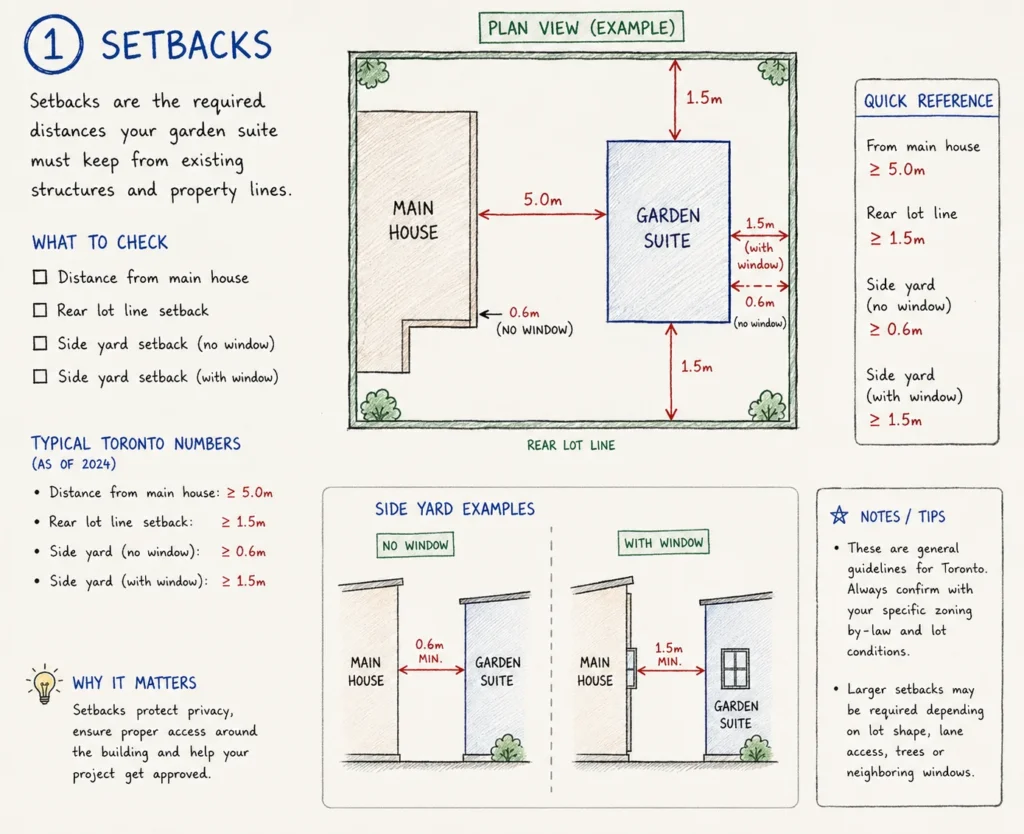
Basic Toronto Garden Suite Rules Homeowners Should Know
Toronto allows garden suites in many residential areas, but every property still needs to be reviewed carefully. The fact that garden suites are allowed does not mean every lot can easily support one.
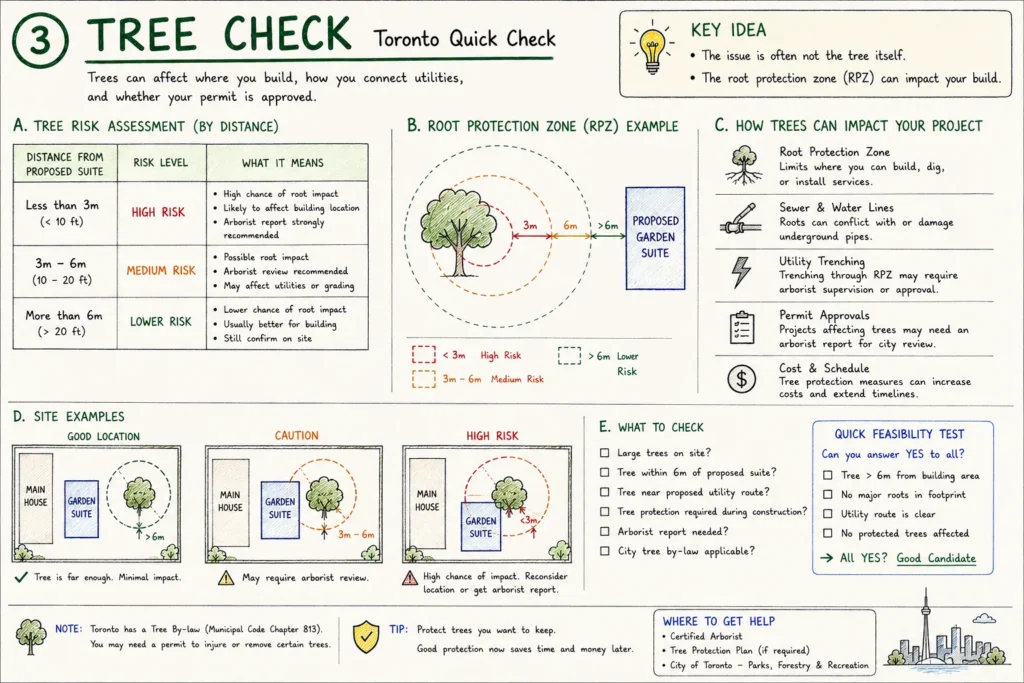
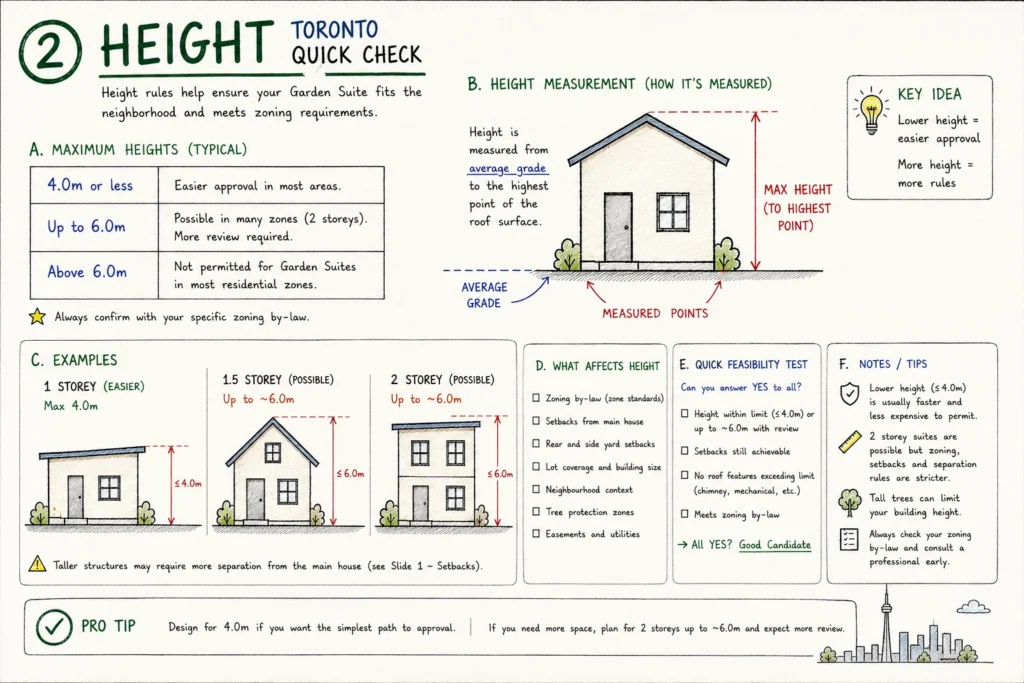
Important factors can include lot size, setbacks, building height, separation from the main house, emergency access, soft landscaping, tree protection, privacy, servicing, and building code requirements.
Homeowners should also understand that zoning is only one part of the process. A garden suite may still require drawings, permit review, servicing coordination, inspections, and proper construction planning.
| Item to Review | Why It Matters |
|---|---|
| Lot Size and Shape | A narrow, shallow, or irregular lot can limit the size and layout of the suite. |
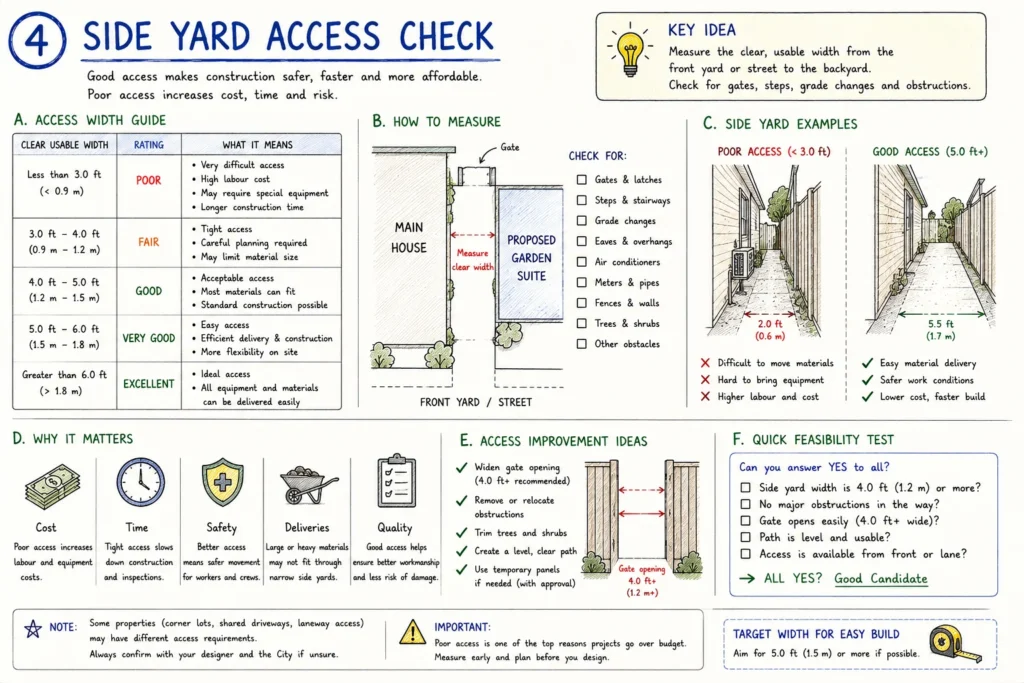
| Access | Construction access and emergency access can affect whether the project is practical. |
| Trees | Existing trees may affect design, permits, protection zones, and construction access. |
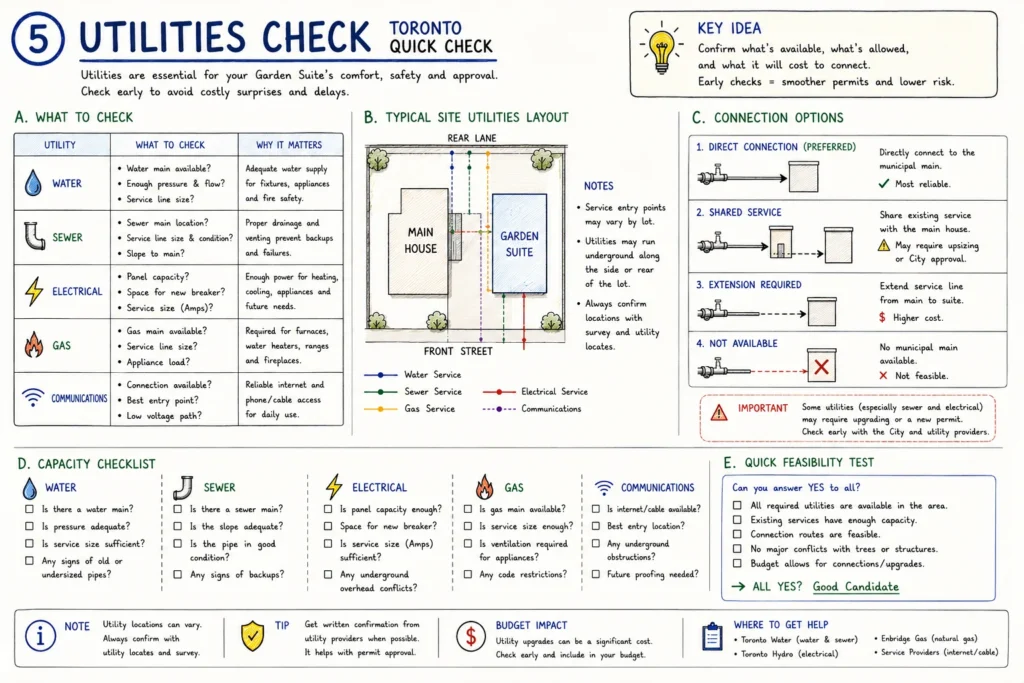
| Servicing | Water, sewer, electrical, drainage, heating, and cooling need to be reviewed early. |
| Privacy | Window placement, entrances, outdoor space, and neighbour impact should be considered. |
What Can Affect Garden Suite Cost?
Garden suite cost in Toronto can vary widely because every property is different. The final budget depends on the size of the suite, design complexity, site access, servicing, finishes, permit requirements, and construction conditions.
Homeowners should not only ask, “How much per square foot?” A garden suite may include many costs beyond the building itself, such as design, permits, engineering, survey, utility upgrades, landscaping, fencing, and contingency.
For a broader look at project budgets, you can also visit our Renotec Pricing Guide to compare typical renovation and construction costs before starting your garden suite planning.
| Cost Factor | How It Can Affect the Budget |
|---|---|
| Suite Size | Larger suites usually require more materials, labour, mechanical systems, and finishes. |
| Site Access | Tight access can make excavation, material delivery, and construction more difficult. |
| Servicing | Water, sewer, electrical, and drainage upgrades can add significant cost. |
| Design and Permits | Drawings, engineering, permit fees, and revisions should be included in the budget. |
| Finishes | Finish level can affect both upfront cost and long-term maintenance. |
Why Feasibility Comes First
Many homeowners start by asking for drawings, but drawings are not always the right first step. Before spending money on full design, it is better to understand whether the lot is a good candidate for a garden suite.
A feasibility review can help identify zoning concerns, access issues, tree protection requirements, servicing challenges, rough construction cost, rental potential, and whether the project makes sense for your goals.
Renotec helps homeowners review garden suite projects from a practical construction point of view. The goal is not to push every homeowner to build. The goal is to help you understand the risks, costs, and next steps before spending serious money.
Garden Suite Planning Process
Before investing in drawings, permits, or construction, homeowners should review the full picture: lot conditions, rules, cost, servicing, rental goals, and long-term use.
Review the Lot
Check size, access, trees, setbacks, drainage, and site limitations.
Check Rules
Review zoning, permits, building code, and approval requirements.
Estimate Budget
Include construction, soft costs, permits, servicing, and contingency.
Confirm Use
Decide if the suite is for rent, family, office, caregiver, or downsizing.
Plan Next Steps
Move to drawings only when the project makes sense.
Helpful Official Resources
Before starting a garden suite project, homeowners should review official requirements for zoning, permits, fees, and financing options. These resources can help you understand what may be required before design or construction begins.
- City of Toronto Garden Suites — Official Toronto information about garden suites.
- City of Toronto New Garden Suite Permit Guide — Official permit guide for new garden suites.
- Toronto Pre-Approved Garden and Laneway Suite Plans — City information about pre-approved suite plans.
- City of Toronto Building Permit Fees — Official fee information for building permits.
- Ontario Guide to Adding a Second Unit — Provincial information about adding a second residential unit.
- CMHC Refinance for Building Secondary Suites — CMHC information about refinancing for secondary suites.
Thinking About a Garden Suite in Toronto?
Start with a practical feasibility review before spending money on full drawings or construction planning. Renotec can help you understand your lot, budget, risks, and next steps.
Book a Garden Suite Feasibility ReviewFrequently Asked Questions About Garden Suites in Toronto
Category 1: Garden Suite Basics
A garden suite is a detached residential unit built in the backyard of an existing property. It is separate from the main house but usually remains part of the same lot and cannot be sold separately.
No. A laneway suite is usually built on a property with public laneway access. A garden suite is typically built in the backyard and does not require a public laneway.
No. A backyard office is usually not a full dwelling unit. A garden suite is designed for living and may include a kitchen, bathroom, sleeping area, heating, cooling, plumbing, and electrical systems.
Category 2: Toronto Garden Suite Rules and Permits
Yes. A garden suite usually requires proper drawings, zoning review, building permits, and inspections. Homeowners should review official City of Toronto requirements before starting construction.
No. Even if garden suites are allowed in many areas, each property must be reviewed for lot size, access, setbacks, trees, servicing, drainage, and other site-specific conditions.
Before starting full drawings, review zoning, lot size, access, tree protection, servicing, drainage, rough budget, rental goals, and construction feasibility.
Category 3: Garden Suite Cost and Planning
The cost depends on size, design, site access, servicing, permits, finishes, and construction conditions. Homeowners should include both construction and soft costs when planning the budget.
Tight access, utility upgrades, tree protection, drainage issues, complex design, higher-end finishes, and permit revisions can all increase the cost of a garden suite.
A feasibility review helps identify whether the lot, budget, access, servicing, and project goals make sense before spending money on full design, permits, or construction planning.
Category 4: Garden Suite Use and Value
Yes. Many homeowners use garden suites for aging parents, adult children, guests, caregivers, private offices, or future downsizing, not only rental income.
Yes, a garden suite may create rental income if it is legal, well-designed, and located in an area with rental demand. Homeowners should still review expenses, maintenance, vacancy, and financing costs.
A legal and well-designed garden suite may improve property value because it adds usable living space and flexibility. The actual value depends on location, design, permits, build quality, rental potential, and market conditions.